£8,995.00
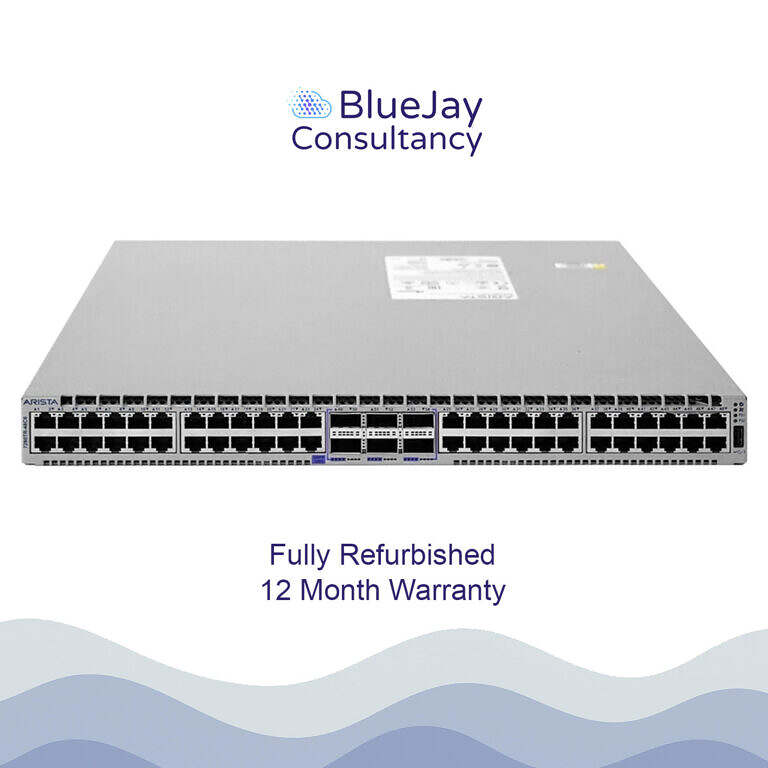
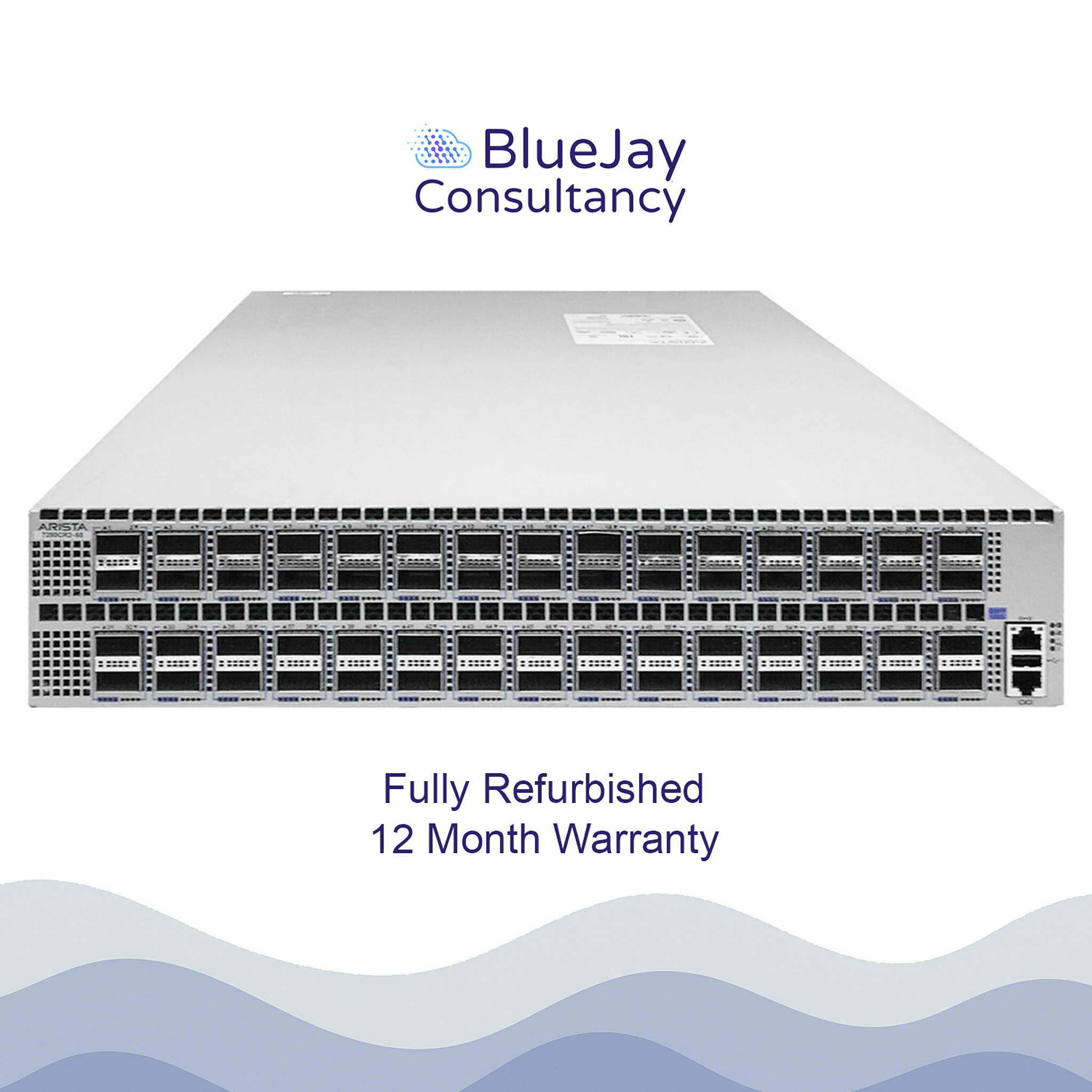
The Arista Networks DCS-7280CR2-60 is part of Arista's 7280 Series of switches, which are designed to offer high-performance, low-latency networking solutions. Specifically, the DCS-7280CR2-60 model is often used in data centres, high-performance computing environments, and cloud networks. Here's an overview of its features:
High-Performance Hardware:
Designed with 100GbE and 25GbE interfaces.
Uses Arista’s custom network processors for low latency and high throughput.
Architecture:
Broadcom Trident 3 chipset: Provides advanced features such as high-density ports and powerful packet processing.
Flexible Port Configuration: The 7280CR2-60 typically comes with 60 ports, often in a combination of 100G and 10G/25G interfaces.
High Density:
Aimed at high-density data centre or enterprise environments, where space and bandwidth optimisation are key.
Arista EOS (Extensible Operating System):
Comes with Arista's EOS, a highly flexible, programmable, and scalable OS that supports features like automation, programmability, and visibility.
Supports advanced network features like segment routing, EVPN (Ethernet VPN), and more.
Latency:
Arista switches generally are optimised for ultra-low latency, making them ideal for high-frequency trading (HFT), scientific computing, and other latency-sensitive applications.
Network Virtualisation & Automation:
Fully integrated with Arista’s CloudVision platform, which provides management, monitoring, and automation for large-scale network operations.
Supports network virtualisation techniques like VXLAN.
Redundancy & Reliability:
Features dual power supplies, redundant fans, and other reliability-enhancing design features.
Data Center Networking: This model is often used in high-performance data centres due to its dense port configuration and support for high-speed interfaces.
Cloud Infrastructure: Providers that require scalable and reliable networking for their cloud platforms often use switches like the DCS-7280CR2-60.
High-Performance Computing: Research institutions or financial institutions requiring extremely low-latency networks might deploy this model.
60 x 100G QSFP28 ports (or combinations of 10/25/100G ports depending on the exact configuration).
2 x 100GbE uplinks.
Support for both traditional Layer 2/3 and advanced Layer 3 features (BGP, OSPF, etc.).
Fan trays and PSU redundancy to maintain uptime.